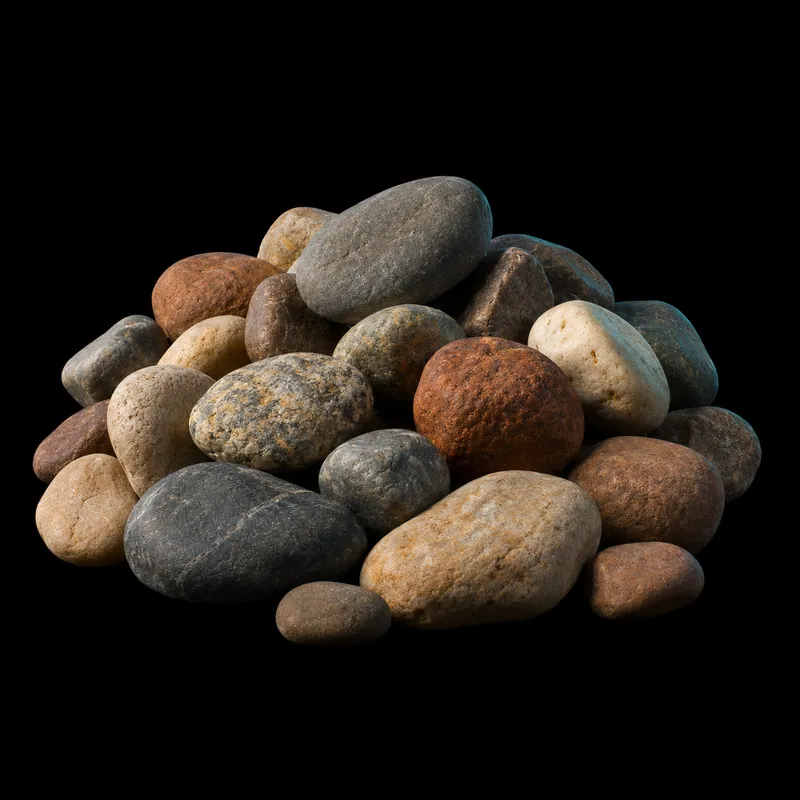
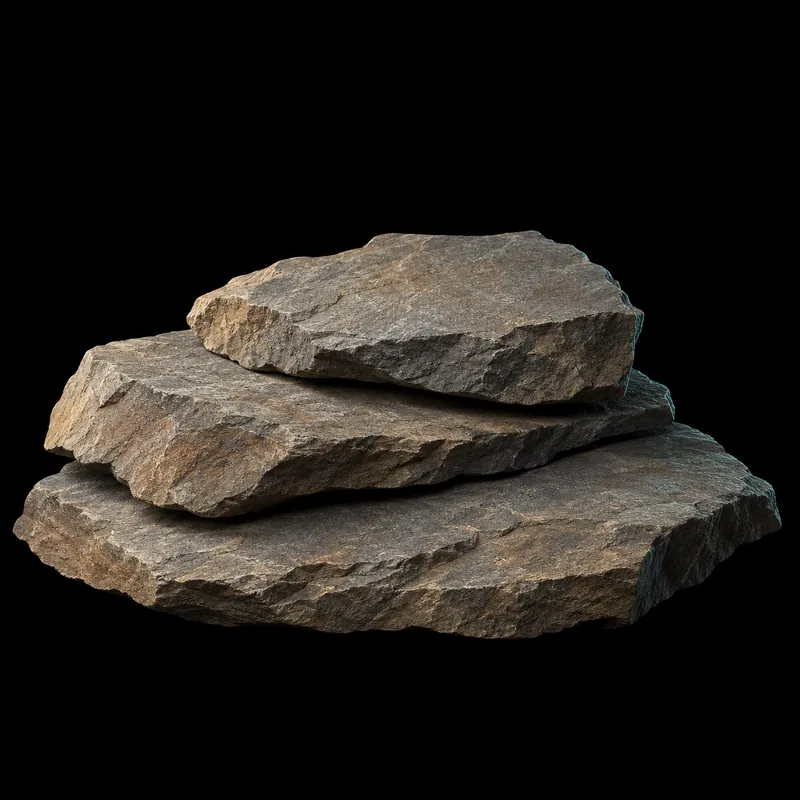
Keep small swallowable stones and gravel out of a turtle's reach. Comparing a piece with the animal's head can be a useful initial warning check, but it cannot certify swallowing safety, stability, or suitability for every turtle.
Begin with the exact species
Aquatic turtles, semi-aquatic species, and land tortoises do not use the same environment. Identify the animal and its adult requirements before planning a floor or basking arrangement. A generic turtle label on a product cannot replace this step.
Include swimming space, access to a dry basking area where relevant, filtration, heating, and light in the overall plan. The RSPCA's terrapin guidance treats housing as a connected set of requirements. Stone is only one part of it.
Do not transfer a decorative aquarium design directly to a turtle enclosure. An animal that pushes, digs, or mouths objects can interact with a rock layout very differently from a small fish. Its size and strength can also change substantially as it grows.
Understand why loose gravel is a concern
The RSPCA terrapin guide warns that small stones and gravel may be eaten and cause digestive blockage. That is a reason to avoid relying on an appealing pebble photograph when making the floor choice.
The familiar bigger-than-the-head saying tries to remind keepers about ingestion risk. It is not a veterinary measurement standard that approves every object above a particular ratio. Shape, actual mouth opening, fragments, and how the animal interacts with the material still matter.
A long narrow piece can have a very different profile from a rounded one with the same longest dimension. A large stone can also shed smaller pieces. Inspect the actual material rather than treating one advertised diameter as the answer to every risk.
Reassess as the animal grows
A piece that seemed large beside a juvenile may later be easy to mouth or move. Plan for adult care and inspect accessible objects during routine maintenance. Do not wait for the animal to demonstrate that a questionable piece fits in its mouth.
Keep an inventory or clear photographs of the arrangement so fragments or shifted stones are easier to notice. Look around the filter intake, beneath ramps, and in corners where small loose material can accumulate. Remove an inappropriate piece through a controlled maintenance procedure rather than chasing the animal around it.
If ingestion is suspected or the animal behaves abnormally, seek appropriate veterinary help. This guide does not offer a home treatment or a way to wait out a possible blockage. Prevention and medical assessment are different tasks.
A bigger rock still needs support
Large decorative pieces create loads, gaps, and possible movement. Check whether the animal can push under the piece or undermine supporting material. A stack resting on loose ground can change even if the stones themselves cannot be swallowed.
Choose broad, low support and avoid a heavy overhang above a place the animal may hide. Keep glass, seams, equipment, and the enclosure manufacturer's limits in mind. A piece should not be wedged against a wall to keep the rest of the structure standing.
Test the arrangement before the animal uses it. If you cannot inspect the contact points or clean around them safely, simplify the layout. An enclosure feature is more useful when it can be maintained without blind lifting over the animal.
Basking surfaces are a separate decision
For a species requiring a basking area, it must be accessible, stable, and part of an appropriate heating and lighting arrangement. A flat stone alone does not create the necessary environment. Follow species-specific care guidance and the actual equipment instructions.
Measure the relevant surfaces and conditions rather than judging warmth by touch or air temperature alone. Keep controls and monitoring in place. This guide does not prescribe one basking temperature for all turtles and tortoises.
The MSD Veterinary Manual's reptile housing chapter explains why enclosure choices depend on the reptile's environmental needs. Do not use a material's heat-retaining reputation as evidence that an unmeasured setup is correct.
Chemistry and finish still matter
A stone too large to swallow can still be chemically unsuitable or treated. Confirm the actual product's composition, finish, and preparation. A natural appearance is not proof that no coating or contaminant is present.
For aquatic use, do not label a stone inert from a negative vinegar observation. Missing chemistry remains missing. Swift's river rock and flagstone do not receive turtle recommendations while the relevant evidence is unresolved.
Washing and screening remove or separate material during preparation; they do not establish every safety property. Rinse suitable stone to remove handling fines, then inspect actual shapes and edges again. Keep those preparation steps distinct from product identification.
Plan cleaning before filling the enclosure
Loose material can make a floor harder to inspect. Choose a design with a practical route for removing waste and reaching equipment. The RSPCA guidance emphasizes regular substrate cleaning rather than assuming that a natural-looking bottom maintains itself.
Do not add an unconfirmed soil or mulch to a dry area merely because the surrounding water section looks complete. Every ground ingredient needs its own information and the species' care plan. The site's unconfirmed materials remain unavailable until those checks are done.
For a piece with an uncertain fit, record its smallest accessible profile as well as its longest measurement. A long object can still be narrow, and a photograph can conceal that profile. Do not test the question by offering it to the turtle. Choose the enclosure material from appropriate care guidance and remove questionable loose fragments before access.
Read stable hardscape, river rock selection, and flagstone under a basking lamp. Use the product pages for confirmed facts, and use qualified species guidance for the enclosure decision.