01
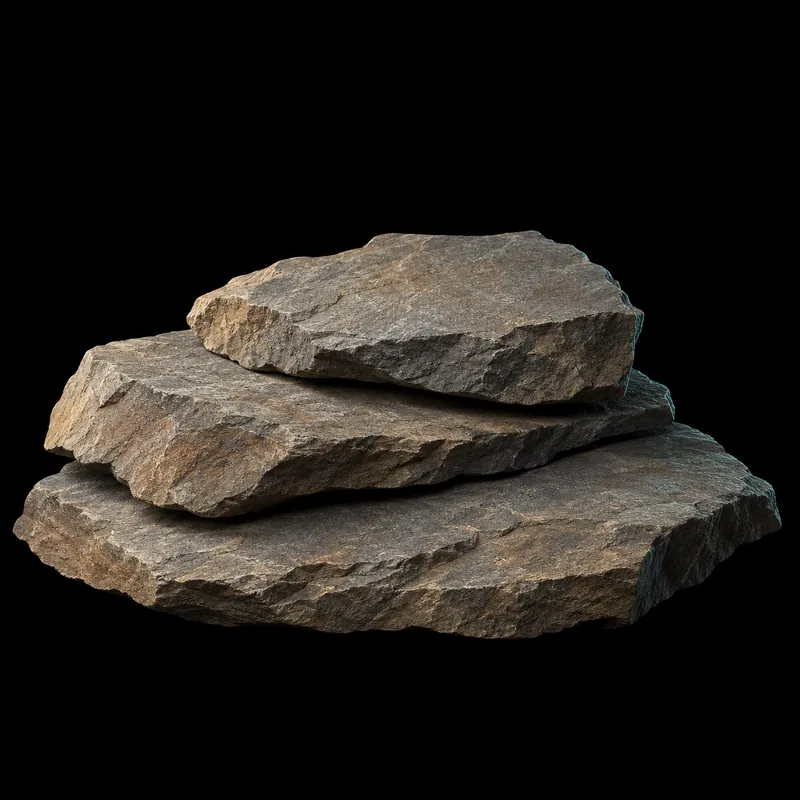 Representative image
Flagstone, Hand-picked pieces by weight
1 lb and 5 lb bags

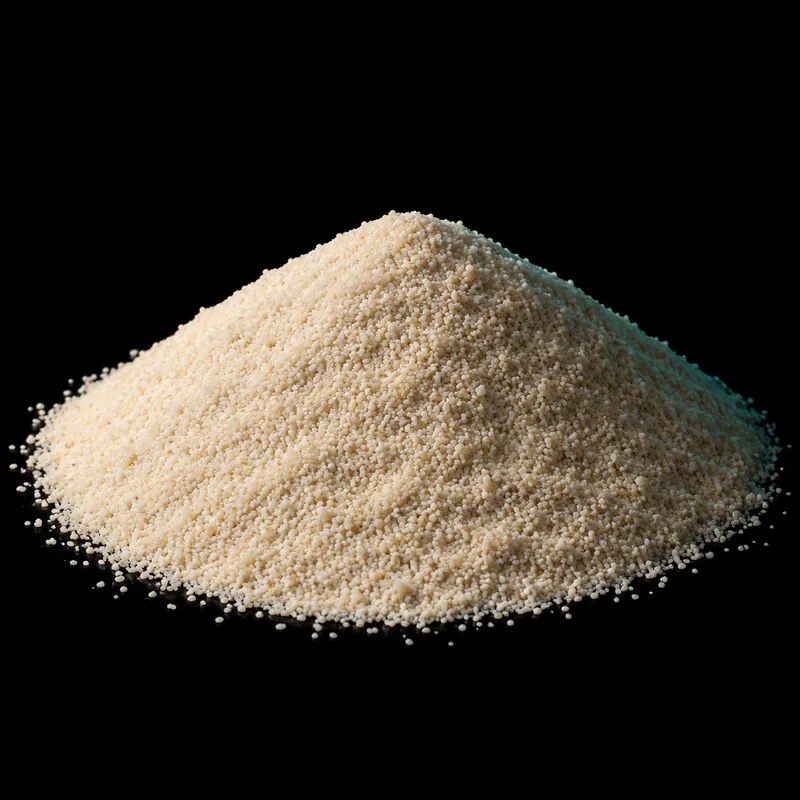
Representative image. Real photos are on the way.
Washed and screened
Bagged sand. Composition and measured grain size are awaiting confirmation.
Add a bag to start your box. Shipping is charged by the box.
Browse and build your bag. Checkout opens soon.
Reef sand is the working catalog name for this sand. It is not a confirmation that the material is aragonite, crushed coral, silica, or any other named mineral. Composition and measured grain size are still awaiting store confirmation. Until those facts are recorded, we withhold buffering claims and aquarium-specific suitability recommendations.
Sand should be chosen for both the system and its animals. Grain size affects how it moves in water, what can settle between particles, and how an animal interacts with the bed. Fine-looking sand in a representative image is not a measured specification. Do not plan a burrowing animal's substrate from that image.
The material is washed and screened at the yard. Rinse dry sand again in small batches to remove loose fines from handling. Use a clean container with no detergent residue, pour off dusty water carefully, and avoid washing the usable grains away. Fill a new arrangement gently rather than directing a jet into the bed. These instructions are for dry material, not packaged live sand from another manufacturer.
Choose depth from the job the bed must do, then calculate volume from the tank footprint. The calculator converts that volume using an estimated bulk density of 90 lb per cubic foot. Actual bag requirements can differ with moisture, grading, slope, and the space occupied by hardscape. The result is a planning estimate.
Sand alone does not establish a biological filter, eliminate the need for water testing, or guarantee a stable pH. Check the confirmed details before purchase for a particular system. Representative wet and dry imagery will be replaced when actual product photographs are available.
Representative image1 lb and 5 lb bags