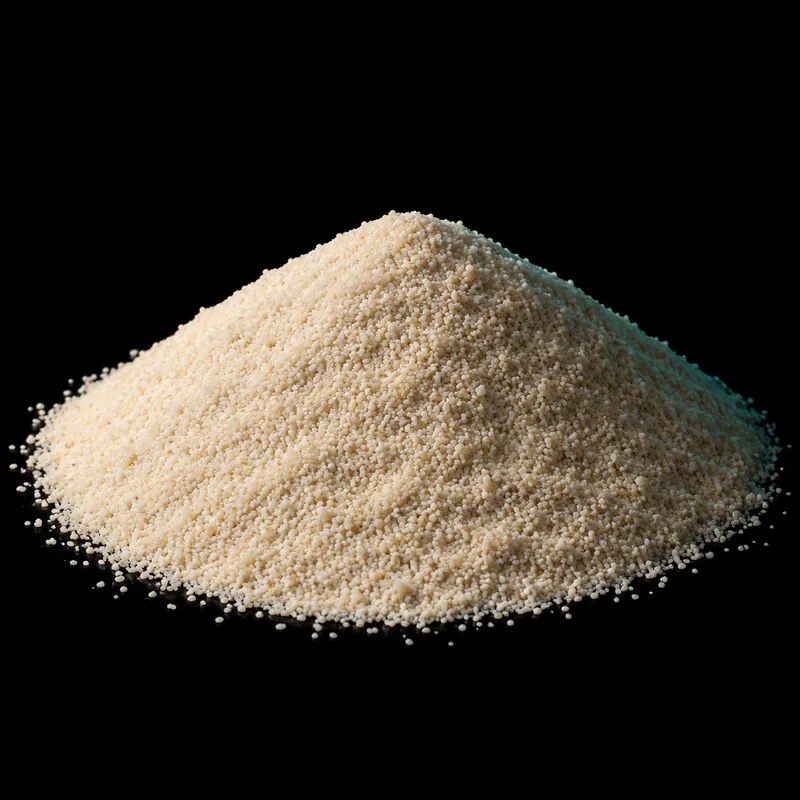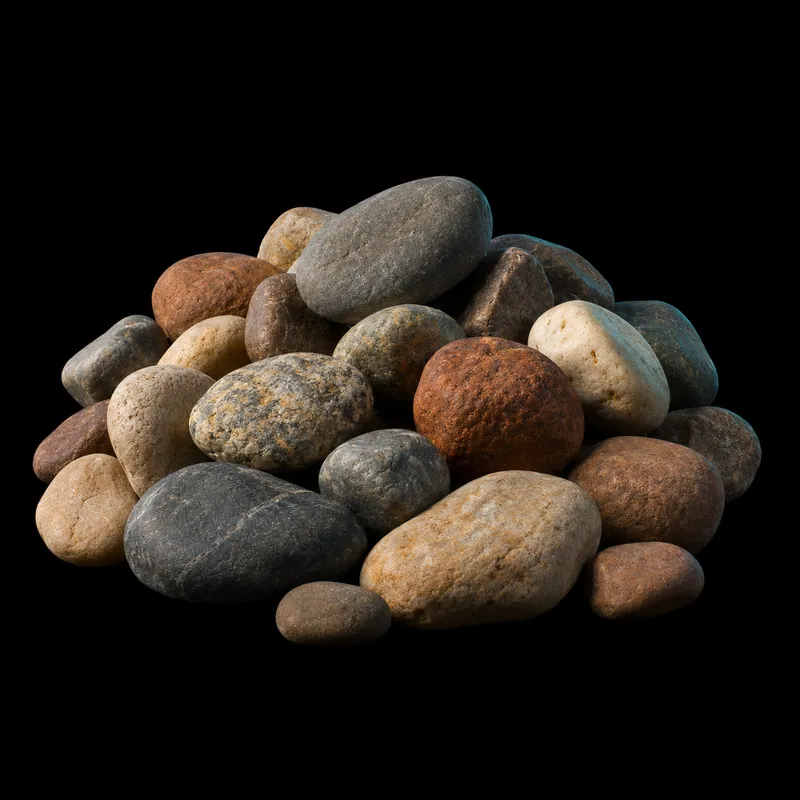
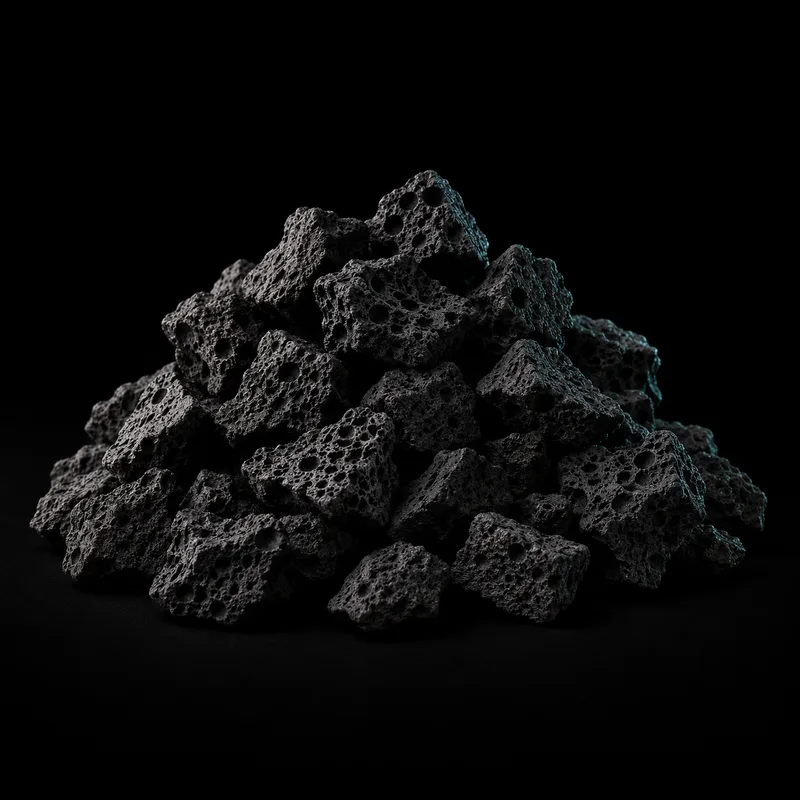
Estimate substrate from the tank's inside footprint, your chosen bed depth, and the material's bulk density. A gallons-only rule is a rough shortcut because tanks of the same volume can have very different floors.
Make the choice of depth first
The calculator can answer how much material fills a space. It cannot choose the right floor for a fish, decide how deep a burrowing species needs to dig, or certify a material's chemistry. Make those decisions from the actual animals, plants, filter design, and maintenance plan before entering dimensions.
The MSD Veterinary Manual's housing guide explains that substrate size depends on the species. It also distinguishes the aquarium's decorative and filtration components. This matters because a bed used for under-gravel filtration is not interchangeable with every decorative top layer.
Write down the intended depth at the front and back. If the layout slopes, use a reasonable average for the estimate and remember that irregular hills need a separate allowance. Measure internal usable space rather than assuming the outside glass dimensions are the exact floor dimensions.
Use the rectangular formula
For inches, multiply length by width by depth. The result is cubic inches. Divide by 1,728 to get cubic feet, then multiply by bulk density in pounds per cubic foot. The CaribSea calculation instructions use this same volume-to-mass approach.
For a rectangular footprint 30 inches long and 12 inches wide with an intended 2 inch layer, the volume is 720 cubic inches. Dividing by 1,728 gives about 0.417 cubic feet. At an illustrative density of 90 lb per cubic foot, the estimate is 37.5 lb.
That number is not a new recommendation for a particular aquarium. It is a transparent calculation with chosen inputs. Change the depth to 1 inch and the volume halves. Change the material to an estimated 50 lb per cubic foot and the same original volume weighs about 20.8 lb instead. Material density matters substantially.
Round tanks and custom footprints
For a circle, use the radius rather than the full diameter in the area calculation: pi multiplied by radius squared. Multiply that area by the layer depth. Keep the units consistent before converting cubic inches to cubic feet.
For a 24 inch diameter circular footprint, the radius is 12 inches. Its area is approximately 452.4 square inches. At 2 inches deep, the volume is about 904.8 cubic inches, or 0.524 cubic feet. With the same illustrative density of 90, the mass estimate is about 47.1 lb.
An irregular pond or enclosure can be split into simpler measured areas. Alternatively, enter a measured custom area and depth. Do not use the pond's deepest water measurement as the thickness of a decorative bottom layer. The water volume and the substrate volume are different quantities.
Keep centimeters and feet consistent
A centimeter entry must be converted before an inch-based formula is used. One inch equals 2.54 centimeters. Converting length, width, and depth before multiplication avoids mixing a metric depth with an imperial footprint.
For larger ponds, feet are easier to work with. Length in feet multiplied by width in feet and layer depth in feet gives cubic feet directly. A 2 inch depth is one sixth of a foot, not 0.2 feet. Writing the conversion down prevents a surprisingly large ordering error.
Measure twice if a result looks implausible. A mistaken diameter, an outside measurement, or a depth entered in the wrong unit can overwhelm any refinement in density. The calculator shows its working so those errors are easier to find.
Understand the density estimate
Bulk density describes a pile, including spaces between pieces. It is different from the density of a solid mineral. The CaribSea marine substrate page publishes different densities for different grades. Those manufacturer values illustrate why one number should not be assigned to every sand or pebble.
Swift's launch values are editable starting estimates. They are not measurements of a certified dry batch. Moisture, grading, compaction, and hardscape displacement can change how a calculated volume relates to the bags used in the real layout. Treat the answer as a planning mass and keep the assumptions visible.
If large stones occupy part of the footprint, decide whether to subtract their displaced space. For a simple buying estimate, leaving some extra material available for adjustment may be useful, but do not silently add a fixed percentage and call it exact. Record any allowance as your own choice.
Convert pounds into a bag order
A required mass must be rounded to a purchasable bag mix. With 1 lb and 5 lb bags, an estimate of 37.5 lb needs at least 38 lb if you want the order to meet or exceed it. Seven 5 lb bags plus three 1 lb bags reach 38 lb; eight 5 lb bags reach 40 lb.
The cheaper merchandise choice depends on current prices. Shipping can change the result again because the bags occupy box capacity. Let the calculator compare eligible bag mixes and the shared packer produce the shipping plan rather than assuming the lightest overage always costs least.
The box estimate describes configured capacities, not a physical guarantee for unmeasured materials. A real packing check can update those defaults. Your cart should show merchandise and shipping separately so a small quantity adjustment remains understandable.
Check the whole setup before adding material
Account for the load on the tank stand and the work needed to install the bed. The veterinary housing guide emphasizes strong, level support. Keep equipment access and cleaning routes open, and do not disturb a settled aquarium's entire substrate casually to match a calculation.
Use the substrate calculator, then check the confirmed details for sand, pebble, or lava. Continue with sand preparation, reef bed planning, and flat-rate box shipping.