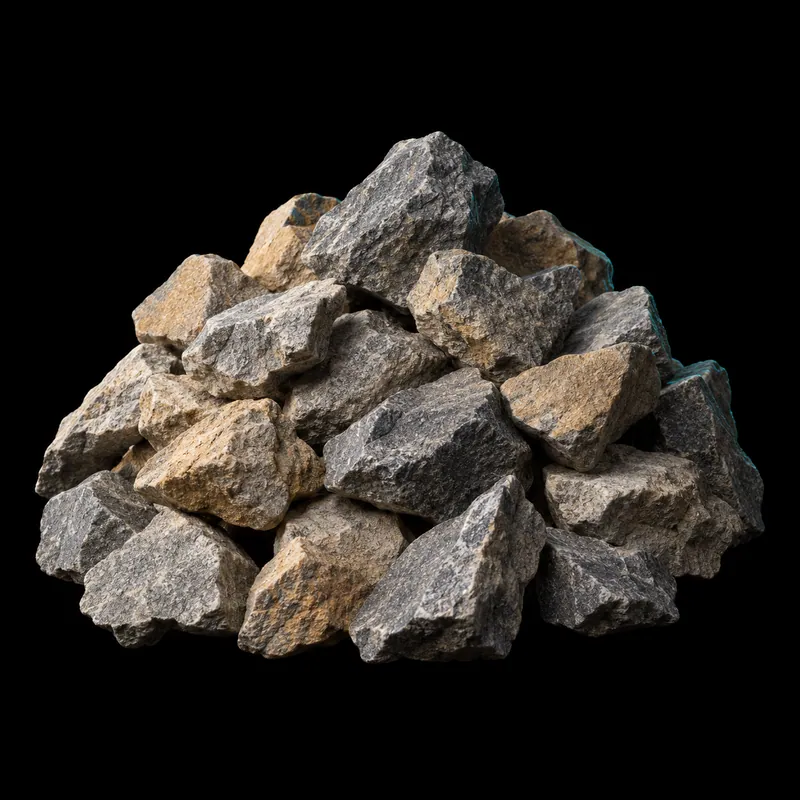
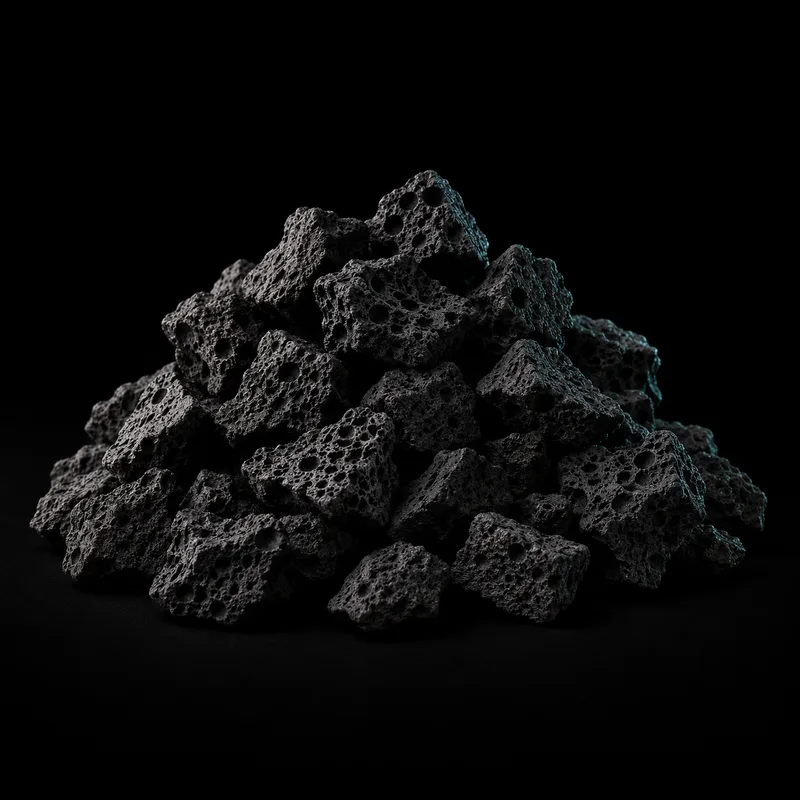
Use the aggregate grading specified by the actual bog or wetland design. A 3/8 inch pea-gravel recommendation belongs to a particular approach, not to every planted filter or every material carrying the same nominal size.
Understand the complete design first
A planted filter includes water distribution, a media bed, plants, a return route, and a way to manage accumulated material. The useful question is how these parts work together. A shopping list that begins with gravel size but omits the flow path is incomplete.
Draw the inlet, distribution pipes or modules, bed, outlet, and cleanout access. Note which component supports which. If a design includes a sedimentation space, do not fill it with aggregate simply because a decorative filter photo appears fully covered.
Obtain the instructions for the exact design before ordering. Systems can look similar from above while using very different internal arrangements. The final surface picture does not establish what belongs underneath it.
Where the familiar 3/8 inch advice comes from
Anita Nelson's practical bog-filter article describes a particular planted pea-gravel approach using 3/8 inch material. It is an experienced builder's design, with associated construction and planting choices. The grading should be read with that whole method.
Do not keep the diameter and discard the material specification. Nominally 3/8 inch angular lava and rounded pea gravel are not identical products. Their shape, fines, density, and pore spaces in a bed can differ. Matching one printed number does not prove that substitution preserves the design.
Do not assume the method's water-quality or maintenance claims transfer to an altered layout. A shallower area, a different flow distribution, another plant load, or a heavily stocked pond can change the conditions. Treat the designer's instructions as a connected system rather than a menu of interchangeable details.
Other wetland systems use different aggregate
Aquascape's modular wetland instructions specify aggregate large enough not to fall into particular modules. Their current instructions include material around and over the modules exceeding the familiar small pea-gravel grade. This is a concrete reason not to publish a universal bog equals 3/8 rule.
The correct question is what the aggregate must do at that location. It may retain a top layer, protect a liner, support planting, or preserve access to an underlying distribution space. Different positions can need different material specifications within the same installation.
If you use a commercial kit, follow its current instructions and ask its maker about substitutions. A seller of loose stone cannot approve a design change merely by confirming the nominal size in a bag. Keep the equipment specification attached to the order notes.
Size changes more than appearance
Texas A&M's constructed-wetland media publication explains the tradeoff between media contact and clogging. It concerns wastewater systems, so its numerical specifications must not be copied directly into an ornamental pond. The general lesson is that media size is part of hydraulic design.
A small-particle bed can behave differently from a larger-particle bed even when both have the same overall volume. Mixed fines and poorly sorted material further complicate the comparison. The spaces between pieces, not just the holes within one stone, determine the route water can take.
This is why clean grading information matters. Ask whether the product is screened and what actual range is supplied. Do not assume a material called drain rock is exactly the size, shape, or cleanliness specified for a planted filter.
Include solids management and cleanout access
Plants and microbial surfaces do not make debris disappear without consequence. Identify how material enters, where it settles, and how the design expects it to be removed or managed. Keep the maintenance route accessible after landscaping is complete.
A buried cleanout that requires moving the finished edge every season is a design problem. Plan space for tools and safe standing access. Record the location of pipes and modules before filling, with photographs and measurements from fixed reference points.
Avoid prescribing a universal cleanout schedule from a photo or one supplier's experience. The actual pond load, design, and observations should guide service. Follow the equipment instructions and keep a log of changes in operation.
Confirm stone chemistry independently
A hydraulically suitable size can still be the wrong material for the water. Confirm composition, finish, and relevant chemistry before placing a batch in contact with fish water. A vinegar observation alone does not establish universal safety.
Swift's 3/8 inch lava and leach rock are separate catalog products. Neither is an automatic substitute for specified pea gravel. Actual leach-rock grading and chemistry remain unresolved until the store confirms them.
If a product's dimensions or chemistry are missing, leave the selection open. Do not use a guessed size to complete a calculator order or an attractive rendering to imply evidence. A clear pending field protects the design from a false assumption.
Order by the designed bed volume
Once the actual filter and appropriate material are settled, calculate the intended aggregate volume. Use inside dimensions, subtract modules where the design calls for it, and keep different grading layers separate. Convert volume to mass using the actual material's measured or explicitly estimated bulk density.
Before approving a substitution, write the proposed material beside every relevant design requirement: grading, shape, cleanliness, module retention, and maintenance access. A matching diameter is only one checked item. Send the complete comparison to the filter designer or equipment maker so the decision concerns the actual substitution rather than a vague question about using lava.
Check the complete delivered cost and practical packing. A large filter may require many bags and boxes; flat-rate shipping does not remove the need to assess that total. Continue with pond-bottom planning, lava media in pond filters, and substrate calculations.