
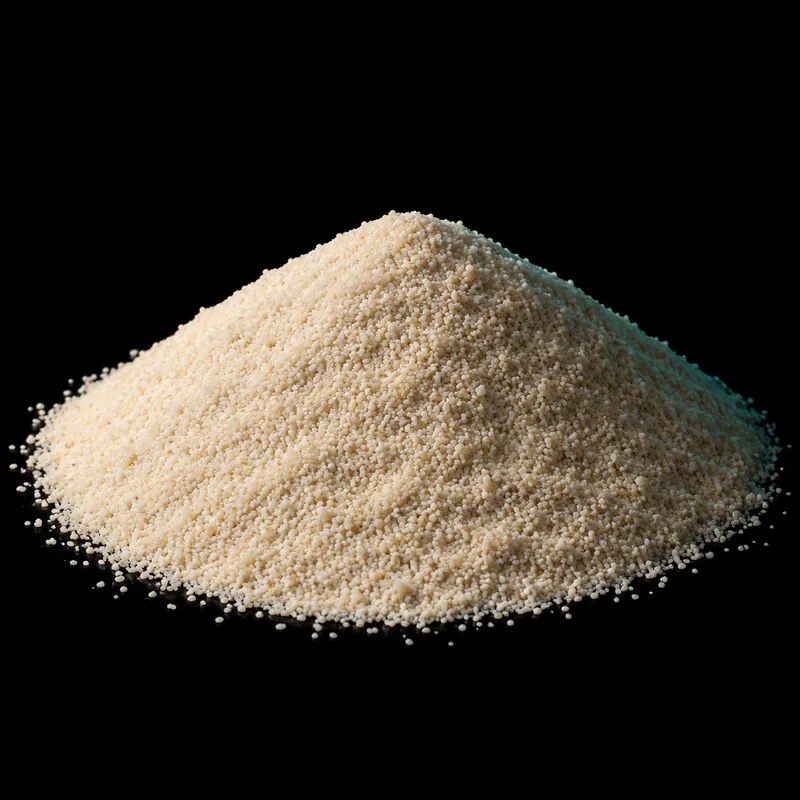
Estimate reef sand from the inside footprint, chosen bed depth, and the actual material's bulk density. Decide what the bed must do before ordering, because a shallow decorative layer and a deliberately designed deep bed are different system choices.
Begin with composition and livestock
A product called reef sand still needs a confirmed composition and measured grain range. Do not assume an unidentified bag is aragonite or that it will maintain an exact pH. Swift's sand composition and grading remain unconfirmed until the store confirms them.
Identify any animal that burrows, sifts, or builds a shelter in the bed. Its care requirements can determine the useful grain size and depth. The available floor area and the way pumps move water also matter. The calculator cannot resolve those decisions from a tank's gallon rating.
Plan the hardscape and bed together. A large supported rock structure can occupy floor space and change circulation around it. Decide how you will clean the exposed areas and inspect the base before adding material for an appearance target.
Shallow and deep are design descriptions
A shallow layer can serve as a visible floor without being designed as the aquarium's main nutrient-processing system. A deeper bed involves more material and different maintenance questions. Neither label is enough to guarantee the biological outcome.
A controlled comparison by Toonen and Wee examined sediment depth, grain size, and plenum arrangements. Its abstract reports that these choices affected water parameters but did not produce a universal nitrogen-processing advantage among the tested designs. Do not turn the study into a promise that any one depth solves nitrate in every reef.
Choose a design you can operate and maintain, with appropriate specialist guidance if the sediment is intended to perform a specific biological function. A deeper layer should be a deliberate part of the system, not an automatic answer to a high nutrient reading.
Calculate the volume transparently
For inches, multiply internal length by width by intended depth. Divide by 1,728 to convert cubic inches to cubic feet, then multiply by bulk density. CaribSea's FAQ uses this footprint-based approach rather than relying only on gallons.
Consider a 36 by 18 inch footprint. A 1 inch layer occupies 648 cubic inches, or 0.375 cubic feet. At an illustrative 90 lb per cubic foot, the planning estimate is 33.75 lb. A 2 inch layer doubles that estimate to 67.5 lb.
For a 48 by 24 inch footprint, the same 1 inch layer occupies two thirds of a cubic foot. At the same illustrative density, that is 60 lb. A tank's shape explains why equal water volumes can require different sand amounts. Floor area and depth are the direct inputs.
Use a density that belongs to the material
The CaribSea marine substrate listings publish different grain ranges and densities for their products. Those are useful examples of material variation, not values that identify an unrelated bag. Swift's initial calculator density is an editable estimate.
Bulk density includes the gaps within a pile. It is not simply the density of solid calcium carbonate or silica. Moisture, particle grading, and packing can change the apparent volume from a weighed bag. Keep the output labeled approximate until real measurements support a narrower claim.
If a seller gives only a pounds-per-gallon shortcut, ask what depth and material it assumes. The shortcut may be useful for a rough sense of scale, but it hides the floor dimensions. A transparent formula lets you adapt the estimate to the tank you actually own.
Account for slopes and displaced space
A level layer is the simplest estimate. If the front is 1 inch and the back 3 inches, an average depth of 2 inches can be a starting approximation for a regular slope. Irregular mounds and large rock bases make the estimate less exact.
Decide whether to subtract the volume occupied by hardscape. You may prefer a small working allowance for later adjustments, but state it separately rather than hiding it in the formula. The calculator should show both the chosen depth and the density assumption so you can check the result.
Do not use the display's full water depth as the intended sand depth. It sounds obvious, but mixing dimensions is a common way to obtain an implausible order. Recheck units whenever the estimate looks surprisingly large or small.
Choose the bag mix and shipping together
An estimate of 33.75 lb must become a purchasable combination. With 1 lb and 5 lb bags, an order can meet or exceed the mass with several possible mixes. The least merchandise overage is not always the cheapest overall order once current bag prices and box capacities are included.
Use the site's packer rather than assuming every sand order needs one particular box. The cart explains the configured box plan and shipping separately from the product total. Capacity values remain subject to real packing checks before they support Live fulfillment.
If a large project needs many boxes, compare the complete total before ordering. Flat-rate shipping is a clear service model, not a guarantee that every small bag order beats every local or bulk alternative. An honest estimate helps you decide without a hidden shipping assumption.
Install as part of a complete startup plan
BRStv's sand guide distinguishes dry material from packaged live sand. Follow the actual material instructions: dry substrate preparation should not be copied blindly onto a product intended to preserve packaged microorganisms.
Avoid changing an established bed casually just to match a new target depth. The existing system, animals, and filtration need their own maintenance plan. Clear water after installation is not a biological readiness test.
Use the calculator, then check the sand product's confirmed details. Continue with grain-size selection, dry sand rinsing, and substrate pounds by footprint.