
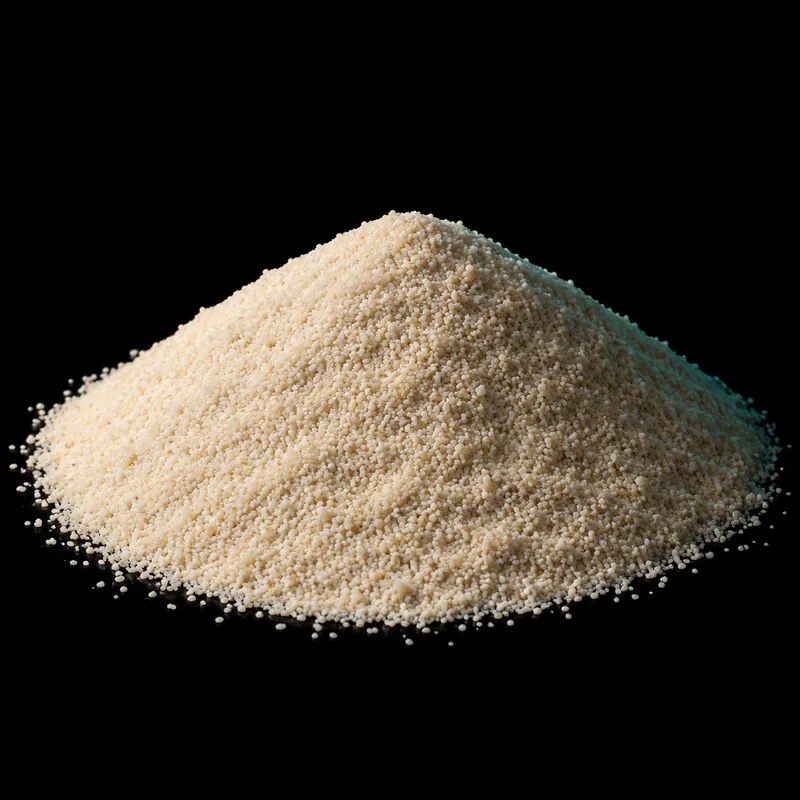
Choose reef sand grain size around the animals and the water movement in the actual layout. Fine sand can move under concentrated flow, while coarser material changes debris management and how animals use the bed.
Ask for a measured range
Fine, medium, and coarse are convenient retail words, but they are not a shared measurement system. A product should state a particle-size range in millimeters when it is known. Two materials carrying the same descriptive label can have different ranges and shapes.
The CaribSea marine substrate page provides examples, including a 1 to 2 mm Special Grade product and a 0.5 to 1.5 mm Fiji Pink product. These identify those manufacturer's grades. They do not establish the size or composition of another seller's unmeasured sand.
Natural materials can include a distribution of sizes. Look at a representative sample rather than one grain in a photograph. Check whether the listed range is a screening specification or a typical measured range, and ask what variation the supplier expects.
Choose from the livestock outward
Identify animals that bury themselves, sift the floor, or build structures. Their substrate needs should be checked species by species. The MSD Veterinary Manual connects substrate selection with how fish handle material in their mouths and notes ingestion risks.
Do not choose a sand-sifting animal after the bed merely because its name appears in a cleanup list. It has its own feeding and habitat requirements. An animal using the substrate is part of the system design, not a maintenance tool for a material selected earlier.
Keep depth separate from grain size. A suitable size in an inadequate layer may not meet a burrowing animal's needs. A deep layer of an inappropriate material does not fix the mismatch. Record both decisions and where they come from before buying the bag.
Consider flow at the floor
BRStv's practical guide discusses the tendency of very fine sand to move in stronger reef flow. The relevant condition is the local flow at the bed, not simply the pump's advertised maximum number.
Rockwork, pump position, direction, and the aquarium shape change where water concentrates. A broad current across the upper display is not the same as a narrow jet aimed into one corner of the floor. Sketch the intended pump directions before blaming every bare patch on the sand grade.
In a new unoccupied setup, observe the actual arrangement before treating it as finished. Adjust equipment according to its instructions and the system's needs. Avoid reducing essential circulation solely to keep an unsuitable aesthetic layer perfectly flat.
Coarser is a different tradeoff
Larger visible grains may remain in place more readily in a particular current, but that does not make them universally better. The spaces between them and their surface shape change how you see and remove debris. Animal access and feeding behavior remain part of the choice.
Plan the maintenance tool that will reach the bed. If a siphon tends to remove usable fine material, the technique or arrangement may need adjustment. If larger grains hide waste, a clean-looking top surface may conceal the need for service beneath.
Avoid a rigid rule that every particle above one diameter is wrong and every particle below it is right. A measured range is useful because it lets you compare the product to an actual care or equipment requirement. It is not a complete system approval.
Composition still needs confirmation
Grain size does not identify a mineral. Pale sand can have different compositions, and a label that says reef does not prove aragonite content. Do not assign buffering or trace-element claims from appearance or grade alone.
Swift's sand starts with composition and actual grain size unconfirmed. The product page withholds claims depending on those details. The representative image illustrates a material concept, not a laboratory report or a guarantee about the shipped batch.
If your intended system requires a known substrate composition, wait for confirmed information or select another material whose relevant facts are established. It is better to make that decision before livestock depends on the arrangement than to try to explain it afterward with a quick household test.
Calculate mass after choosing the material
The same volume can weigh differently with another grade or composition. Use a bulk density appropriate to the actual product when available. Otherwise, keep the estimate explicit and leave room in the plan to check the real fill.
For a 30 by 18 inch footprint at 2 inches deep, the volume is 1,080 cubic inches, or 0.625 cubic feet. At an illustrative density of 90 lb per cubic foot, the estimate is 56.25 lb. This is arithmetic for chosen inputs, not a recommended bed for an unspecified animal.
Check the bag mix and shipping together. A heavier rounded order can sometimes have a different total from a closer combination of small bags. The site's calculator and packer should keep those numbers consistent so the quantity choice remains transparent.
Avoid solving everything by mixing
Mixing grades can create another material distribution rather than a simple average of two tidy layers. Digging and maintenance may move them. If a particular animal needs a specified substrate, do not assume an improvised blend meets that requirement without checking.
A mixed visual appearance is also harder to reverse after the tank is occupied. Try a small sample arrangement outside the display first. Keep records of which materials were used so future changes do not lose their identities.
Compare the confirmed record on the sand page, then read reef sand quantity, rinsing dry sand, and the volume-to-weight calculation.