
Swift plans compatible bags into USPS Priority Mail Flat Rate boxes and shows the configured box charge separately from merchandise. The fill meter describes remaining capacity in the current plan, so an extra bag can leave shipping unchanged or require a different combination of boxes.
Why the box is the shipping unit
USPS describes Flat Rate packaging as a defined domestic service using its designated packaging within weight and content rules. The box is not an unlimited container. Material must fit the actual packaging, and the relevant mailing restrictions still apply.
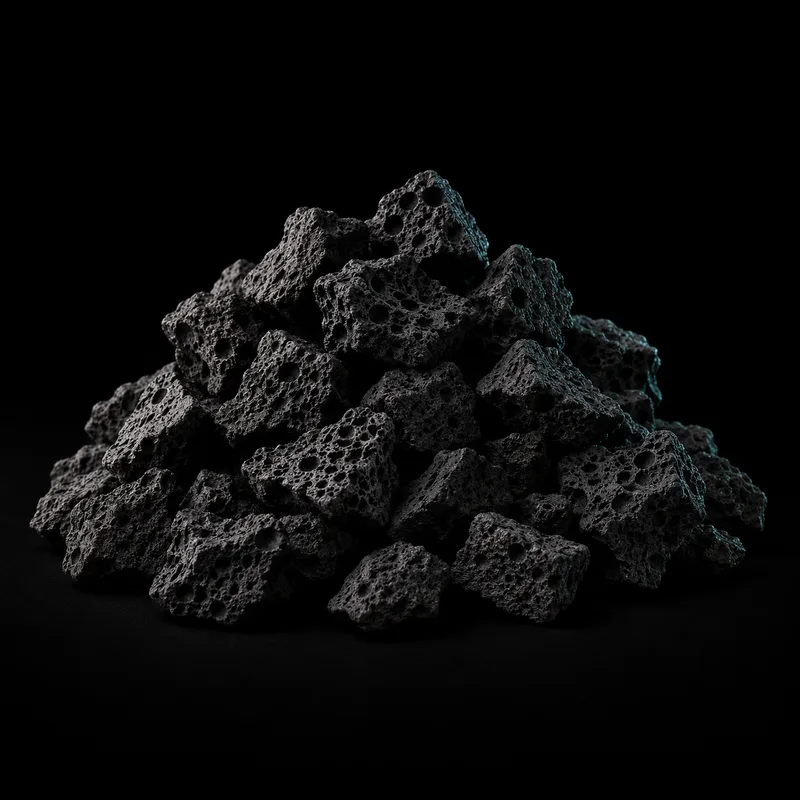
Swift's bagged products come in 1 lb and 5 lb options. The products differ in how much space that weight occupies. Dense pebble, irregular lava, light mulch, and a branching piece of wood cannot be packed as if equal weights were equal volumes.
The site's box plan therefore uses a capacity for each variant in each supported box. These capacities start as editable estimates and need real packing checks before Live fulfillment. The cart makes the plan visible rather than adding an unexplained shipping amount at the last step.
Which box shapes are supported
The packing model distinguishes Small, Medium, and Large Flat Rate boxes. The nominal inside dimensions used for planning are:
| Box | Inside dimensions, inches | |---|---| | Small | 8 5/8 × 5 3/8 × 1 5/8 | | Medium, top loading | 11 × 8 1/2 × 5 1/2 | | Medium, side loading | 13 5/8 × 11 7/8 × 3 3/8 | | Large | 12 × 12 × 5 1/2 |
The two Medium shapes do not make every object interchangeable: a long branch and a compact bag need different physical fit checks. Protective packing also occupies space. Confirm actual closure and packed weight rather than treating the dimensions as a geometric promise from a rendering.
At the yard, stone, sand, and pebble are washed and screened before bagging. Shipping can still produce loose fines, so the product preparation notes call for rinsing suitable dry material before use. Soil, mulch, and wood do not inherit that washed statement. Their preparation needs its own confirmation.
What the packer compares
For each compatible box type, a bag uses a fraction of its configured capacity. Mixed bags share the same box only when their fractions fit together and the weight limit is respected. Individual bags remain whole; the plan does not split one purchased bag between two boxes.
The packer compares the shipping cost of feasible combinations. A larger box can sometimes cost less than two smaller ones. Where the cost is equal, fewer boxes is the next preference. This is why the plan can change shape even when the total material increases only slightly.
A zero capacity means the variant does not go in that box. The system must not force a 5 lb bag into a Small box by treating a zero as empty or unlimited space. Physical fit is a rule, not an optional efficiency target.
Read the fill meter as a current-plan estimate
The meter translates remaining capacity into a useful statement about the item you are viewing. Room for one more means one more of that specific variant fits the current planned box under the configured rules. It does not mean any other bag or branch of the same weight will fit.
Change from a 1 lb bag to a 5 lb bag and the answer can change. Add another product and the least-full box can change. The meter and cart use the same packing calculation so they do not make independent promises.
Treat the statement as part of the displayed plan, not a guaranteed permanent shipping rate. Current prices, available variants, or corrected packing measurements can change a future order. The final cart must show the current result clearly before payment is enabled.
Compare a small top-up with a larger order
Imagine you are buying suitable material for a filter compartment and need a small additional amount. Adding a 1 lb bag may use spare space already paid for. Adding several bags may move the order into another box or make a different combination cheaper.
The useful comparison includes merchandise and shipping together. A 5 lb bag can have a lower merchandise price per pound while changing packaging. A smaller exact quantity can have a higher unit price but less total material. Let the displayed numbers make that tradeoff clear.
Do not add unwanted material solely to make a meter look full. Calculate the actual project need first. Leftover bags have storage and handling implications, and the right material choice still depends on confirmed product facts rather than the cheapest remaining slot.
Wood has its own packing rules
Graded driftwood is sold per piece, with shape variation inside a length grade. Its configured capacities differ from bagged stone. Weight estimates are provisional and cannot prove that a branching piece fits a box; full dimensions and an actual fit check matter.
One-of-a-kind pieces will need real photographs, dimensions, weight, and a selected shipping arrangement before listing. No generated specimen is exact-piece stock. Oversize wood with a custom shipping charge ships separately and must not be described as fitting a Flat Rate box when it does not.
Check the actual product page before ordering a size for a fixed enclosure opening. A shipping grade is not a guarantee of the branch silhouette your layout requires. The exact-piece and graded shopping decisions are different.
The postal rules still apply
The USPS mailing standards govern designated packaging and the normal closure of box flaps. Packing must not enlarge a box to create capacity the original design did not provide. The service's general 70 lb maximum is a ceiling, not a target for every material or destination.
APO, FPO, and DPO addresses need correct postal addressing and any applicable destination restrictions. The checkout cannot approve regulated contents merely because an address is accepted. Soil also requires the store's separate movement clearance and destination controls before shipment.
This is a US shipping model. Do not infer international service or unrestricted movement of soil and biological material from a broad nationwide phrase. Current product restrictions remain part of the order check.
Rates and fulfillment stay visible
USPS prices can change, so the store reviews and maintains current box rates. The current USPS price list is the postal reference. This guide avoids hardcoding a promotional or seasonal amount that could outlast its effective period.
The yard buys labels outside the site. When an order is shipped, tracking is recorded per box and the customer receives the configured notification. A quoted shipping charge does not establish a guaranteed dispatch day or carrier delivery promise; read the current shipping policy for reviewed fulfillment terms.
You can currently explore a cart while checkout is closed. Checkout opens after the store completes its payment, tax, shipping, and product checks. Compare lava, pebble, and driftwood through confirmed details, then read quantity planning, sand preparation, and lava grades.