01
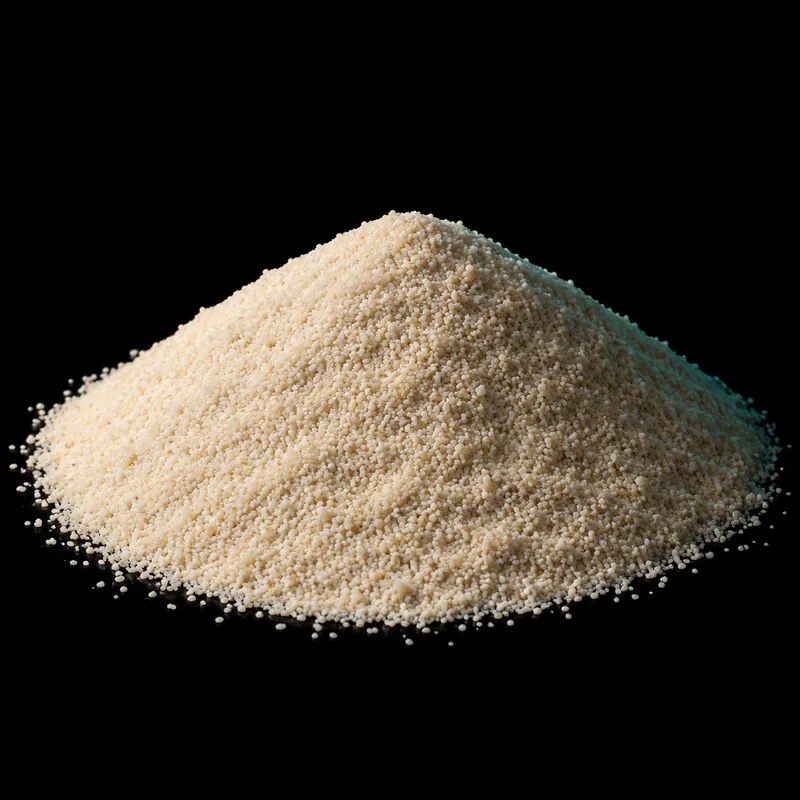 Representative image
Reef sand
1 lb and 5 lb bags

Sand sold by bag weight. Composition and measured grain size determine its appropriate uses; the product description will show confirmed information when available.
Representative image1 lb and 5 lb bags
The working catalog name reef sand does not establish a mineral composition. We are waiting for confirmation of whether this material is aragonite, crushed coral, silica, or another composition, along with its measured grain size. Until then, we withhold buffering and habitat-suitability claims. A pale representative image cannot supply those facts.
Our dry sand is washed and screened at the yard. Handling can still release fines, so appropriate dry material should be rinsed before installation. These preparation notes do not apply automatically to packaged live sand from another manufacturer. Follow the actual product instructions when a substrate is intended to preserve a bacterial culture.
A sand bed is part of the animal's environment. Burrowing and sifting species need their own care guidance. Strong localized water movement can also change how a bed behaves. Choose a measured particle range and an operating layout, not just a retail word such as fine or medium.
CaribSea's marine substrate page shows how commercial grades differ in size and density. Those values describe its products. They are useful comparisons without becoming measurements of our unconfirmed sand. Read grain size and flow before planning a specific system.
Gallons alone hide the floor area. Measure the internal footprint and intended depth, then convert volume using a material-specific bulk density. Our initial density is an estimate. Slope, moisture, grading, and the space taken by hardscape can change the real requirement.
The calculator shows the arithmetic and compares bag combinations. Both 1 lb and 5 lb options are available for planning, with shipping shown separately. A lower price per pound is only one part of the delivered total.
Use clean equipment and small batches for rinsing suitable dry material. Place the bed thoughtfully and fill gently rather than directing a jet into it. Avoid sending loose sand into equipment not designed to receive it. Clear-looking water is not proof that a new aquarium is biologically established.
Continue with rinsing dry sand, reef-bed quantities, and substrate calculation. Confirm the material facts before choosing an animal use.