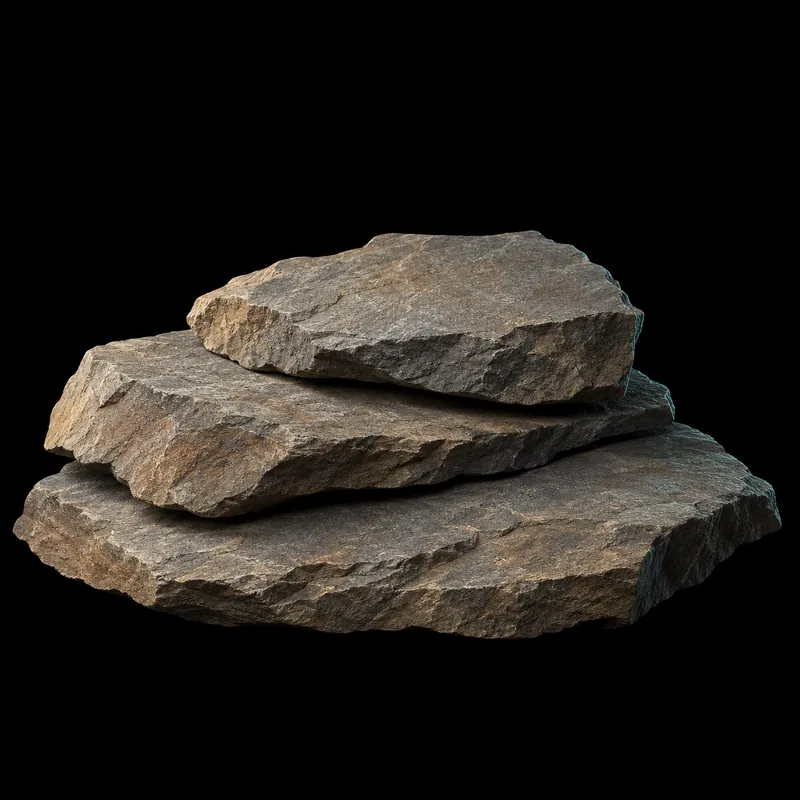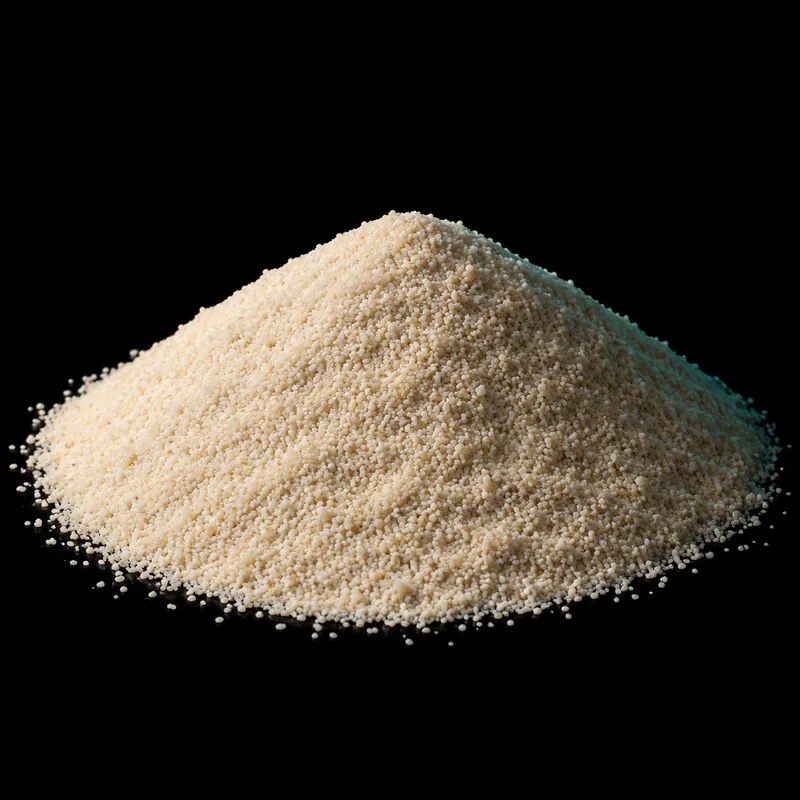
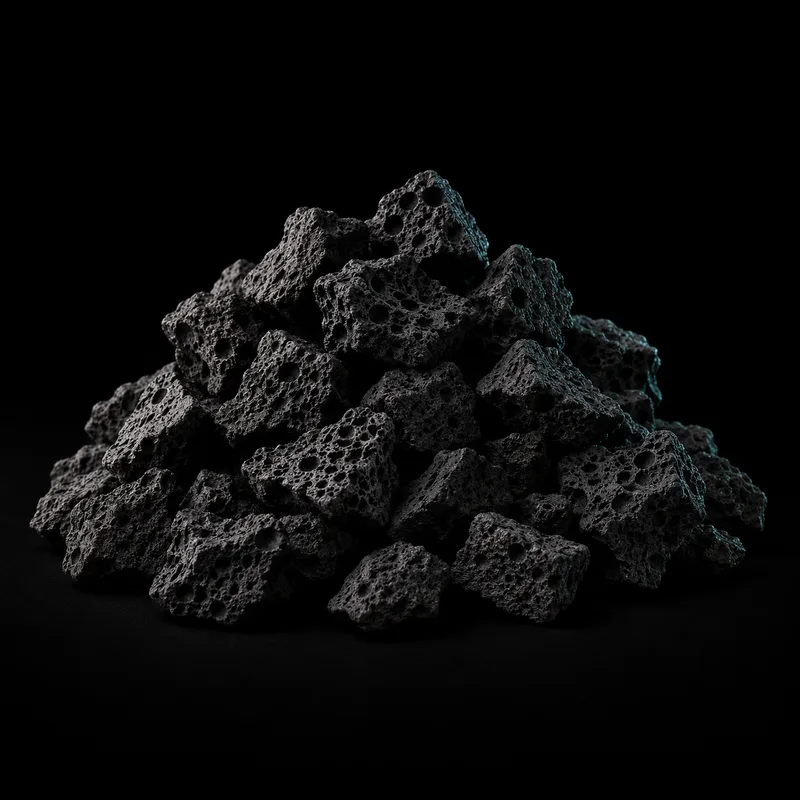
Carbonate-bearing materials can influence alkalinity and hardness, while confirmed nonreactive materials serve a different role. Start with the actual cichlid species and source water, because African cichlid is not one universal water requirement.
Name the fish before the rock
Many familiar rock-heavy displays are based on species from the African Rift Lakes. Other African cichlids come from different waters and habitats. A guide to one group is not a license to copy its substrate and chemistry into every cichlid aquarium.
Write the intended species on the plan. Include adult size, territorial behavior, and the kind of floor or shelter each uses. If the community is still undecided, resolve that before building permanent rockwork. A layout selected only for appearance can be difficult to change after large animals settle into territories.
Aqueon's Rift Lake aquarium guide provides context for rock territories and carbonate-based materials in those particular systems. Use the relevant parts without generalizing every numerical recommendation to an unrelated species or your water source.
Separate pH, alkalinity, and hardness
A higher pH reading is not the same thing as a high reserve of buffering capacity. The USGS alkalinity guide explains the water's ability to neutralize acid. The USGS hardness guide describes dissolved calcium and magnesium.
Those measures can be related, but each answers a different question. Collect the measurements relevant to the intended species before deciding that a stone needs to raise something. If your source water already has suitable chemistry, adding an unconfirmed reactive material simply because the label says cichlid may not help the plan.
Keep replacement-water management in view. The aquarium is not a one-time container that never receives new water. Choose an approach you can maintain consistently rather than relying on one decorative pile to hold every parameter at a promised value.
Carbonate rock is a material choice
Limestone and dolomite are examples associated with carbonate geology. Under relevant conditions, carbonate material can influence the water. That does not mean every white pebble, every pale flagstone, or every product sold as reef sand is the same mineral.
Confirm composition or measured behavior for the actual batch. A seller's generic description of carbonate rock does not identify an untested mixed pebble. At Swift, chemistry-dependent recommendations remain withheld while those details are unconfirmed. The category name is not a substitute for a product fact.
Avoid promising that a stone raises pH to one exact target. The amount, particle size, system conditions, and source water make a universal number inappropriate. Monitor the actual aquarium and use species-specific guidance rather than treating hardscape as an automatic regulator.
A vinegar observation cannot sort every rock
Visible fizz can be useful evidence of an acid-reactive component. No visible fizz is not proof that a material will leave the water unchanged. The University of Minnesota dolomite page explains the weak reaction some carbonate material has under a simple room-temperature acid observation.
This is a reason to keep test results and confirmed chemistry separate. Do not put a green inert mark on every no-reaction result. Also do not assume that a reactive rock is appropriate for every hard-water fish. Physical safety, treatment history, and the complete environment remain separate questions.
If you are comparing possible materials, retain a clear label and record for each sample. Mixed batches deserve representative sampling. Keep claims as narrow as the evidence instead of rounding them into a universal safe-for-cichlids statement.
Design territories without creating a collapse
Rockwork can provide sight breaks and shelter. It also creates loads, gaps, and maintenance obstacles. Consider the arrangement from the animal's viewpoint and from the perspective of the person who must clean it every week.
Aqueon recommends placing structural rockwork so digging does not undermine it, with substrate around the support rather than acting as the only foundation. Follow the tank manufacturer's limits and inspect the actual base. Do not turn that general principle into permission to put a sharp point or excessive load directly on glass.
Keep stacks low and supported. Check every contact and leave room around equipment. A narrow crevice that suits a juvenile may become a trap later. Do not create a display that requires blind lifting of heavy wet pieces to retrieve a fish or service an intake.
Keep the floor and the structure separate
The material beneath the fish and the large rocks that divide space need not be the same. A digging species can move loose substrate even when it cannot move the main rocks. Plan that interaction rather than expecting the first arrangement to remain visually unchanged.
For a grain-based floor, choose actual size and shape around the animals. Do not assume 3/4 inch gravel or rough lava is an appropriate substitute for any sand. The substrate calculator estimates mass after those decisions; it does not make the care choice for you.
Leave an accessible route for debris removal. More rock is not automatically better territory design if the result is an inaccessible solid wall. Sketch the cleaning route alongside the front-view composition and reserve space for it.
Order only after the facts fit
Compare lava rock, white pebble, flagstone, and sand by their confirmed details. Missing composition or chemistry remains missing; another product's result does not fill the gap.
Before ordering a reactive material, write down which measured property you intend it to influence and why the fish need that change. If the answer is only that cichlids like rock, separate the decoration decision from the chemistry decision. A supported neutral structure and a deliberate water-management plan need not be the same product choice.
Read the vinegar-test limits, safe stacking, and substrate quantity planning. Together they keep material choice, structural design, and ordering arithmetic as clear decisions rather than one vague label.