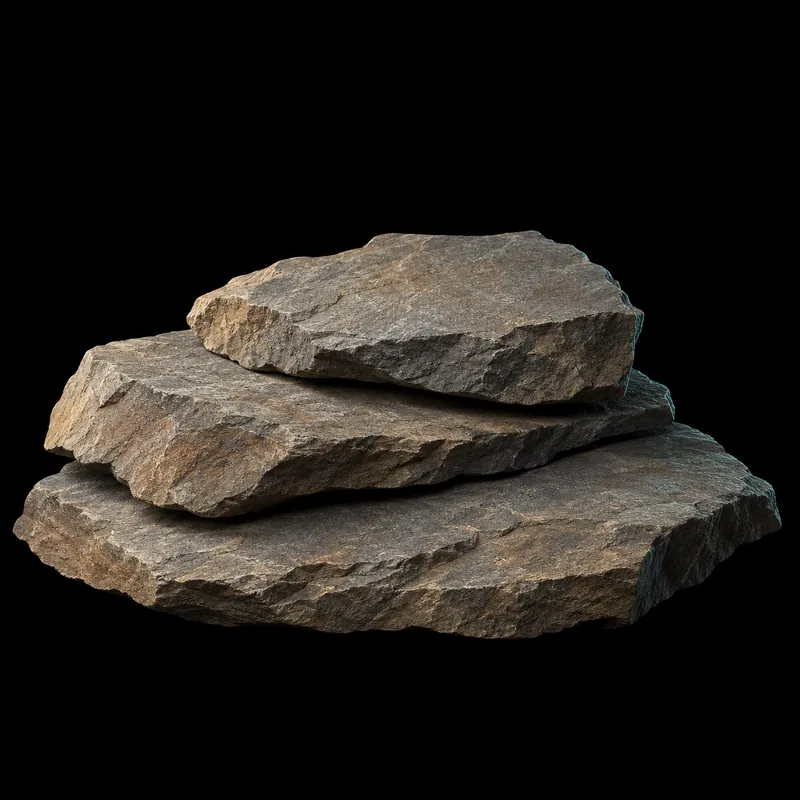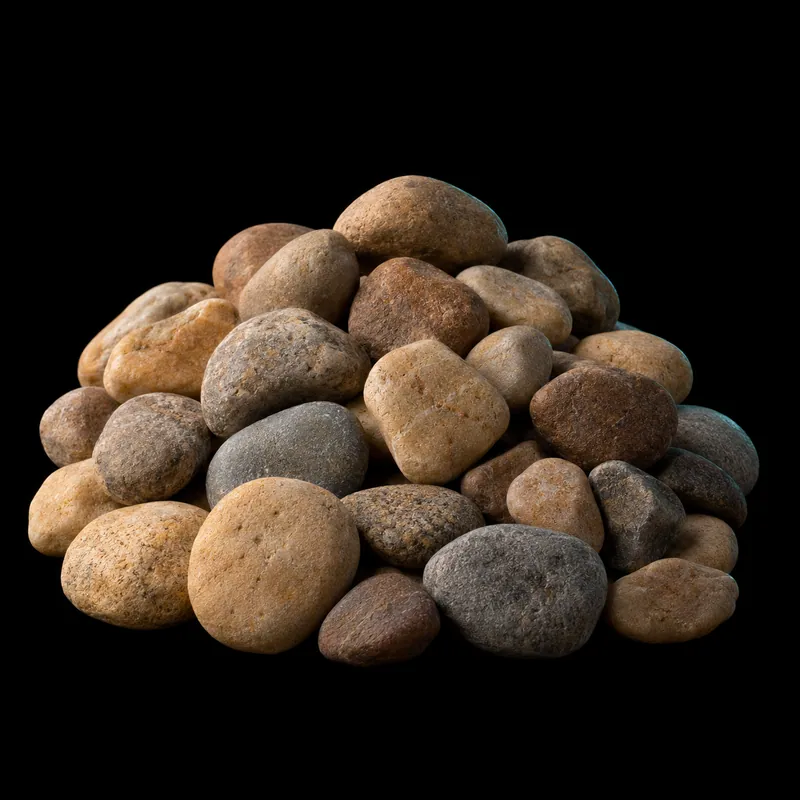
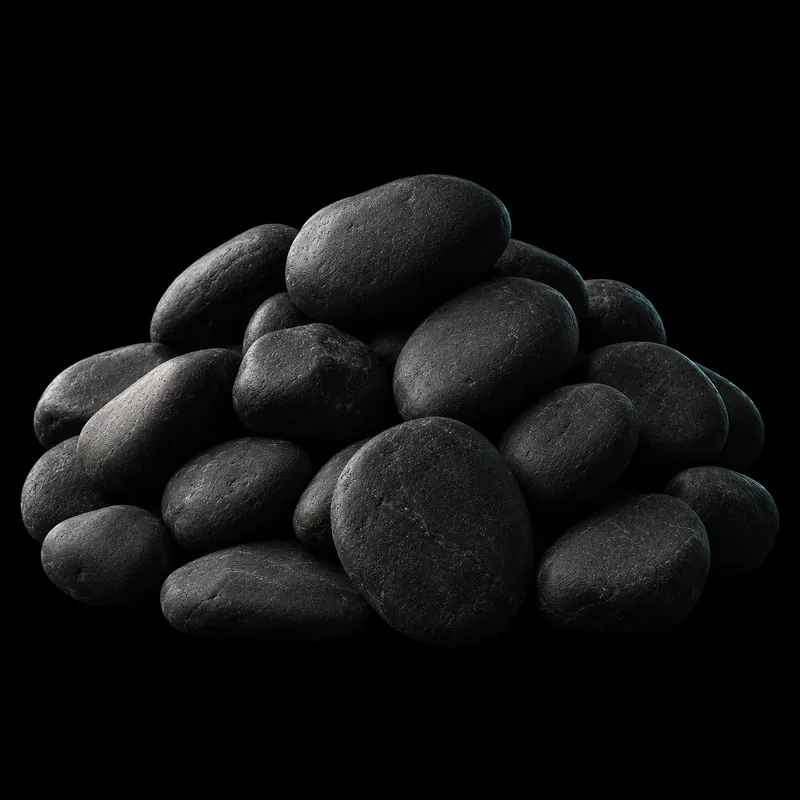
Visible fizzing during an acid observation can indicate carbonate minerals in a rock. No visible fizzing with household vinegar does not establish that the rock is inert, contaminant-free, or safe for animals.
Why keepers try this test
Some stone can influence aquarium chemistry. A simple observation appeals because it is inexpensive and gives an immediate visible result. The useful part is the observation itself. Trouble begins when that observation is made to answer a much broader question than the method can support.
The University of Minnesota's calcite reference describes calcite reacting with dilute acid. That supports the idea that bubbling can help investigate mineral identity. It does not make every white rock calcite or every dark rock noncarbonate. Color and a single surface spot are not complete analyses.
For a mixed pebble product, think about what the sample represents. One piece may not represent another color, vein, or material in the bag. An observation made on a polished-looking outside face may also differ from one on a fresh surface. Record the details instead of dropping all the nuance into a single safe label.
The negative result is the main limitation
A lack of visible reaction is not the same as proving that carbonate is absent. The University of Minnesota dolomite page describes weak or absent room-temperature acid reaction unless the mineral is powdered or the acid heated. It is a counterexample to the claim that every carbonate rock must visibly fizz under a household surface check.
This guide is not an instruction to heat acid or use stronger chemicals at home. The point is to understand the limit of the simpler observation. Leave mineral identification to an appropriate method and qualified help when it matters. Increasing the hazard of a test does not turn a hobby check into a complete animal-safety assessment.
Other important questions remain outside its reach. A vinegar observation does not tell you whether a rock was treated, stored beside contaminants, or has an exposed edge that could injure an animal. It does not identify every dissolved substance that might matter in an aquarium.
Separate the water measurements
pH describes acidity or basicity at the time of measurement. Alkalinity describes the water's ability to neutralize acid. The USGS alkalinity explanation connects buffering with the dissolved substances and geology that influence a water source.
General hardness principally concerns dissolved calcium and magnesium, as explained in the USGS hardness reference. Hardness and alkalinity can be related without being identical. A product page should not collapse all three measures into a promise that a stone will hold water at one exact pH.
The response of a real system depends on more than the material's trade name. Its source water, conditions, and other changes matter. A stone may be selected for a hard-water layout for a specific reason, while the same uncertain material is a poor choice for a setup where chemistry needs close control.
Keep a useful observation record
If you record a household observation, name the material, the date, the visible result, and what was sampled. Write no visible reaction rather than inert. Write visible bubbling rather than a guaranteed rise to a specific pH. This makes later information easier to compare without overstating the original finding.
Photographing the sample beside a label can help keep similar-looking batches separate. Note whether it is one piece or a mixture. Keep untested material identified rather than combining it with a batch whose records you want to preserve. These are recordkeeping steps, not claims that a home method has become definitive.
A seller can also retain composition information or an attestation from its source. Ask what each document actually establishes. A generic geological description is different from a report for the supplied product. A statement about untreated finish is different from a measurement of water chemistry.
Use controlled comparisons carefully
A separate container can help investigate a particular sample without placing it directly into an occupied display. A comparison made with the same source water and an unaltered control is more interpretable than measuring two unrelated tanks. Still, the conclusion belongs to the conditions and measurements you used.
Do not call a short observation an exhaustive contaminant screen. An unmeasured chemical remains unmeasured. A stable pH does not prove every other parameter is stable. If reliable information is unavailable and compatibility is important, choose a material whose relevant facts are established rather than relying on reassurance from a quick test.
The same discipline helps when someone shares a result online. Ask what they measured, for how long, with what water, and using which batch. The anecdote may be useful context, but it cannot fill in your product's missing facts.
How Swift uses the result
We describe a vinegar observation separately from confirmed chemistry. Missing results stay missing. No-reaction observations do not automatically create an inert badge or unlock a soft-water recommendation. That avoids turning a convenient input field into scientific evidence it does not contain.
The product descriptions for white pebble, Santa Clara pebble, and flagstone show confirmed information when available. Until then, chemistry-dependent claims and habitat recommendations are withheld. General material browsing remains possible without inventing those facts.
Consider a mixed bag where one sample visibly reacts and another does not. The honest record contains both observations and their sample identities. It does not average them into partly inert or approve the entire mix for a soft-water tank. A disagreement between samples is a reason to investigate the batch, not to choose the result you prefer.
Read river rock selection, Rift Lake cichlid rock planning, and lava rock evaluation to apply the same reasoning to an actual layout.